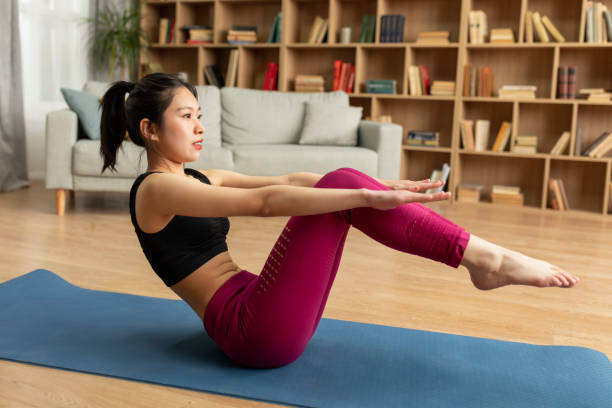
Yoga for Beginners in Japan: Your Complete Guide to Starting a Healthy and Peaceful Lifestyle
Starting yoga can feel like stepping into a completely new world. You do not need perfect flexibility, expensive equipment, or previous experience to begin. All you need is a little patience, comfortable clothing, and the willingness to learn.
Japan offers an interesting environment for beginners who want to explore yoga. From peaceful studios in Kyoto to modern fitness spaces in Tokyo, there are opportunities to discover yoga while experiencing Japanese culture and lifestyle.
Whether you are living in Japan, studying there, or planning a visit, this guide will help you understand how to start your yoga journey.
Why Should Beginners Try Yoga in Japan?
Japan is often associated with mindfulness, discipline, and appreciation for peaceful surroundings. These ideas can complement the practice of yoga.
For beginners, regular yoga practice may help with:
- Improving flexibility and mobility.
- Developing better body balance.
- Building strength gradually.
- Supporting relaxation and stress management.
- Improving body awareness and breathing habits.
- Establishing a healthy daily routine.
Remember, yoga is not a competition. Your progress matters more than how perfectly you perform a pose.
Best Yoga Styles for Beginners in Japan
Choosing the right yoga style is important when starting your journey. Some practices are gentle, while others involve more challenging movements.
| Yoga Style | Difficulty | Why Beginners May Like It |
|---|---|---|
| Hatha Yoga | Beginner-friendly | Introduces basic poses and breathing |
| Yin Yoga | Gentle | Focuses on slower movements and longer-held poses |
| Restorative Yoga | Very gentle | Uses supportive positions for relaxation |
| Beginner Vinyasa | Moderate | Connects movement with breathing |
| Iyengar Yoga | Adaptable | Emphasizes posture, alignment, and props |
Our recommendation: Start with Hatha or beginner-level classes. Once you become comfortable, you can explore other styles.
Where Can Beginners Find Yoga Classes in Japan?
Several Japanese cities offer yoga studios with classes suitable for newcomers.
1. Tokyo
Tokyo has a variety of yoga studios, including international and bilingual learning environments.
Some options include:
- Bodhi Yoga Tokyo – Offers English and bilingual yoga and meditation classes.
- Asakusa Yoga – Provides basic yoga classes and welcomes beginners.
- International Yoga Center – Offers different yoga practices and English-speaking classes.
2. Kyoto
Kyoto can be an appealing destination for people who prefer a peaceful atmosphere.
Nami Yoga Studio offers yoga classes in English and Japanese, with options for different experience levels.
3. Yokohama
Beginners can also explore studios such as Inhale Yoga, which offers beginner-oriented classes and English support.
Always check current class schedules, availability, language options, and prices directly with the studio.
What Do You Need for Your First Yoga Class?
You do not need to purchase an entire collection of fitness equipment.
Here is a simple beginner checklist:
| Item | Purpose |
|---|---|
| Yoga Mat | Provides a comfortable practice surface |
| Comfortable Clothing | Allows easy movement |
| Water Bottle | Helps maintain hydration |
| Small Towel | Useful during exercise |
| Yoga Blocks | Provide support for certain poses |
Many studios provide mats and other equipment, so check before purchasing anything.
Five Easy Yoga Poses for Beginners
You can start learning a few basic movements before attending your first class.
- Mountain Pose (Tadasana): Helps you practice standing posture and balance.
- Child’s Pose (Balasana): A gentle resting position.
- Cat-Cow Pose: Introduces gentle spinal movement.
- Downward-Facing Dog: Develops familiarity with a full-body yoga position.
- Tree Pose (Vrikshasana): Helps develop balance and concentration.
Move slowly, avoid forcing stretches, and follow a qualified instructor if you are unsure about positioning.
A Simple 7-Day Beginner Yoga Plan
Consistency is more important than practicing for long hours.
| Day | Practice | Duration |
|---|---|---|
| Monday | Basic stretching | 10 minutes |
| Tuesday | Hatha yoga | 15 minutes |
| Wednesday | Breathing exercises | 10 minutes |
| Thursday | Beginner yoga poses | 15 minutes |
| Friday | Gentle yoga flow | 15 minutes |
| Saturday | Relaxation and meditation | 10 minutes |
| Sunday | Rest or gentle walking | Optional |
Adjust the schedule according to your comfort and fitness level.
A Small Story: The First Yoga Class
Imagine a student named Aiko who recently moved to Tokyo. Her university schedule is busy, and she spends most of her day studying.
One afternoon, she decides to try a beginner yoga class.
At first, she struggles with simple movements and worries that everyone else is more experienced. However, her instructor reminds her that nobody starts as an expert.
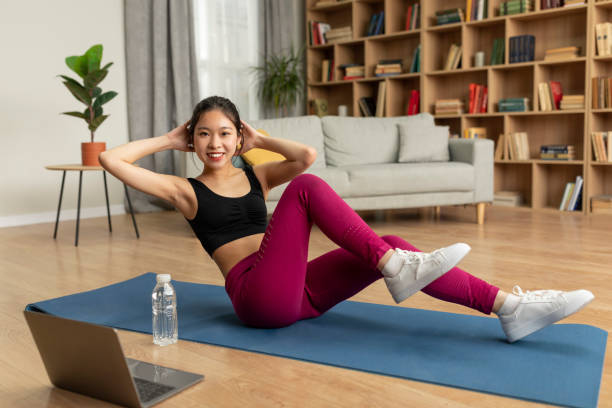
After several weeks of consistent practice, Aiko becomes more comfortable with the movements and enjoys having time to slow down.
Her biggest discovery?
Yoga is not about touching your toes. It is about understanding your body and respecting your own progress.
Important Safety Tips for New Yoga Students
Before starting yoga, remember these simple precautions:
- Begin with beginner-friendly sessions.
- Never force your body into uncomfortable positions.
- Take breaks whenever necessary.
- Stay hydrated, especially during heated classes.
- Inform your instructor about injuries or physical limitations.
- Seek medical advice if you have a health condition that could affect exercise.
For additional information, explore the International Association of Yoga Therapists.
Frequently Asked Questions
1. Can I learn yoga without previous experience?
Yes. Beginner classes are designed to introduce basic movements and breathing techniques.
2. Do I need to speak Japanese to attend yoga classes?
No. Some Japanese studios offer English or bilingual instructions. Check the language before booking.
3. How often should beginners practice yoga?
Starting with two or three sessions per week is a reasonable approach. You can gradually increase your practice.
4. Which yoga style is easiest for beginners?
Gentle Hatha and Restorative Yoga are good starting options for many beginners.
5. Can I practice yoga at home in Japan?
Absolutely. Online classes and beginner tutorials can help you build a routine at home.
Final Thoughts
Starting yoga in Japan can be a rewarding way to explore physical activity, mindfulness, and a healthier lifestyle.
You do not need to be flexible, experienced, or physically strong before your first class. Begin with simple movements, find a supportive instructor, and give yourself time to improve.
Every experienced yoga practitioner was once a beginner.
Take your first step today, breathe naturally, and enjoy the journey.
For more educational guides, digital resources, and helpful online content, visit FoocusAI.