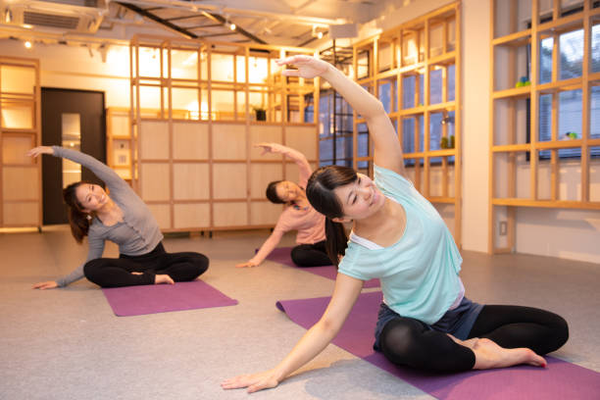
Japanese Yoga Practices: Exploring Mindfulness, Movement, and Inner Balance
Yoga is more than a series of physical exercises. It is a practice that brings together movement, breathing, concentration, and self-awareness. In Japan, yoga has developed an interesting connection with mindfulness, meditation, and the appreciation of a balanced lifestyle.
Although yoga originated in ancient India, it has found a place in modern Japanese wellness culture. Many people in Japan combine yoga with meditation, mindful breathing, and gentle physical activities to create a healthier daily routine.
Whether you are a beginner, a wellness enthusiast, or someone interested in Japanese culture, exploring Japanese Yoga Practices can introduce you to a different way of thinking about physical and mental well-being.
What Are Japanese Yoga Practices?
Japanese yoga practices generally refer to the ways yoga is taught, experienced, and combined with wellness traditions in Japan. They are not a separate ancient yoga system with a single traditional set of poses.
Japanese studios often incorporate elements that complement yoga, including:
- Mindful breathing and concentration.
- Meditation and quiet reflection.
- Gentle stretching and body awareness.
- Relaxation and stress management.
- Respect for personal progress and consistency.
The goal is not simply to perform difficult poses. It is to develop a more thoughtful relationship with your body and mind.
Traditional Japanese Concepts That Complement Yoga
Japan has several cultural practices and philosophies that can complement modern yoga sessions.
| Japanese Concept | Meaning | Connection with Yoga |
|---|---|---|
| Zen | Meditation and awareness | Encourages concentration |
| Zazen | Seated meditation | Supports stillness and mindfulness |
| Shinrin-yoku | Forest bathing | Encourages connection with nature |
| Ikigai | A sense of purpose | Encourages meaningful living |
| Kokyu | Breathing | Relates to mindful breathing practices |
These concepts are not yoga styles themselves, but they can offer inspiration for a more mindful lifestyle.
5 Japanese-Inspired Wellness Practices to Explore
1. Zen Meditation
Zen meditation encourages practitioners to sit quietly, observe their breathing, and develop awareness of the present moment.
Combining a short meditation session with gentle yoga can create a peaceful beginning or ending to your practice.
2. Mindful Breathing
Breathing is an important part of yoga. Japanese wellness environments often emphasize quietness and concentration, making mindful breathing a natural complement.
Try inhaling slowly, relaxing your shoulders, and gently exhaling without forcing your breath.
3. Shinrin-yoku (Forest Bathing)
Forest bathing involves spending time in natural surroundings while paying attention to the sights, sounds, and atmosphere of the forest.
Imagine practicing gentle stretching beneath tall trees while listening to birds and feeling a cool breeze. This experience can make an ordinary exercise routine feel more connected to nature.
4. Gentle Yoga and Stretching
Gentle yoga focuses on comfortable movements, flexibility, balance, and body awareness.
It can be a useful starting point for beginners, older adults, or people who prefer lower-intensity exercise.
5. Meditation After Yoga
A few minutes of quiet meditation after yoga can help you transition from physical movement to relaxation.
Instead of immediately checking your phone, sit comfortably and observe your natural breathing.
A Simple Japanese-Inspired Daily Yoga Routine
You do not need an expensive studio or special equipment to explore mindful movement at home.
| Activity | Duration |
|---|---|
| Quiet breathing | 3 minutes |
| Gentle stretching | 5 minutes |
| Basic yoga poses | 10 minutes |
| Mindful meditation | 5 minutes |
| Relaxation | 2 minutes |
This simple 25-minute routine can help establish consistency. Adjust the movements to your comfort and fitness level.
A Small Story: Finding Peace Through Simplicity
Imagine a university student living in Kyoto. Their days are filled with lectures, assignments, public transportation, and digital distractions.
One morning, they decide to spend 25 minutes away from screens.
They begin with gentle yoga, continue with mindful breathing, and finish by sitting quietly near a window overlooking a small garden.
Nothing extraordinary happens. Their responsibilities have not disappeared, and their schedule remains busy.
However, they have created one peaceful moment in an otherwise demanding day.
Sometimes, wellness is not about changing your entire lifestyle. It is about changing how you experience a small part of it.
Benefits of Combining Yoga with Japanese-Inspired Mindfulness
A consistent yoga and mindfulness routine may support:
- Better body awareness and flexibility.
- Improved concentration.
- Relaxation and stress management.
- Greater appreciation of everyday surroundings.
- Development of healthy daily habits.
Individual experiences differ, and yoga should complement rather than replace appropriate medical care.
Frequently Asked Questions
1. Is Japanese yoga different from Indian yoga?
Yoga originated in India. Japanese yoga practices generally refer to modern yoga in Japan and its connections with Japanese wellness culture, rather than a completely separate traditional yoga system.
2. Is Zen meditation a type of yoga?
No. Zen meditation is a Buddhist meditation practice. However, it can complement yoga through concentration and mindfulness.
3. Can beginners explore Japanese-inspired yoga?
Yes. Beginners can start with gentle yoga, simple breathing exercises, and short meditation sessions.
4. What is Shinrin-yoku?
Shinrin-yoku, commonly called forest bathing, is a Japanese practice of experiencing nature through mindful attention.
5. Can I practice Japanese-inspired yoga at home?
Absolutely. A quiet space, comfortable clothing, and a yoga mat are enough to begin a simple routine.
Final Thoughts
Japanese yoga practices offer an interesting opportunity to explore yoga alongside mindfulness, meditation, and a deeper appreciation of everyday life.
From Zen-inspired reflection to forest bathing and gentle movement, these complementary practices remind us that wellness does not always require complicated routines.
Start with a few minutes each day, listen to your body, and build a practice that feels natural.
A peaceful mind does not always require a quiet world. Sometimes, it begins with a single mindful breath.
For more educational articles, wellness guides, and useful digital resources, visit FoocusAI.